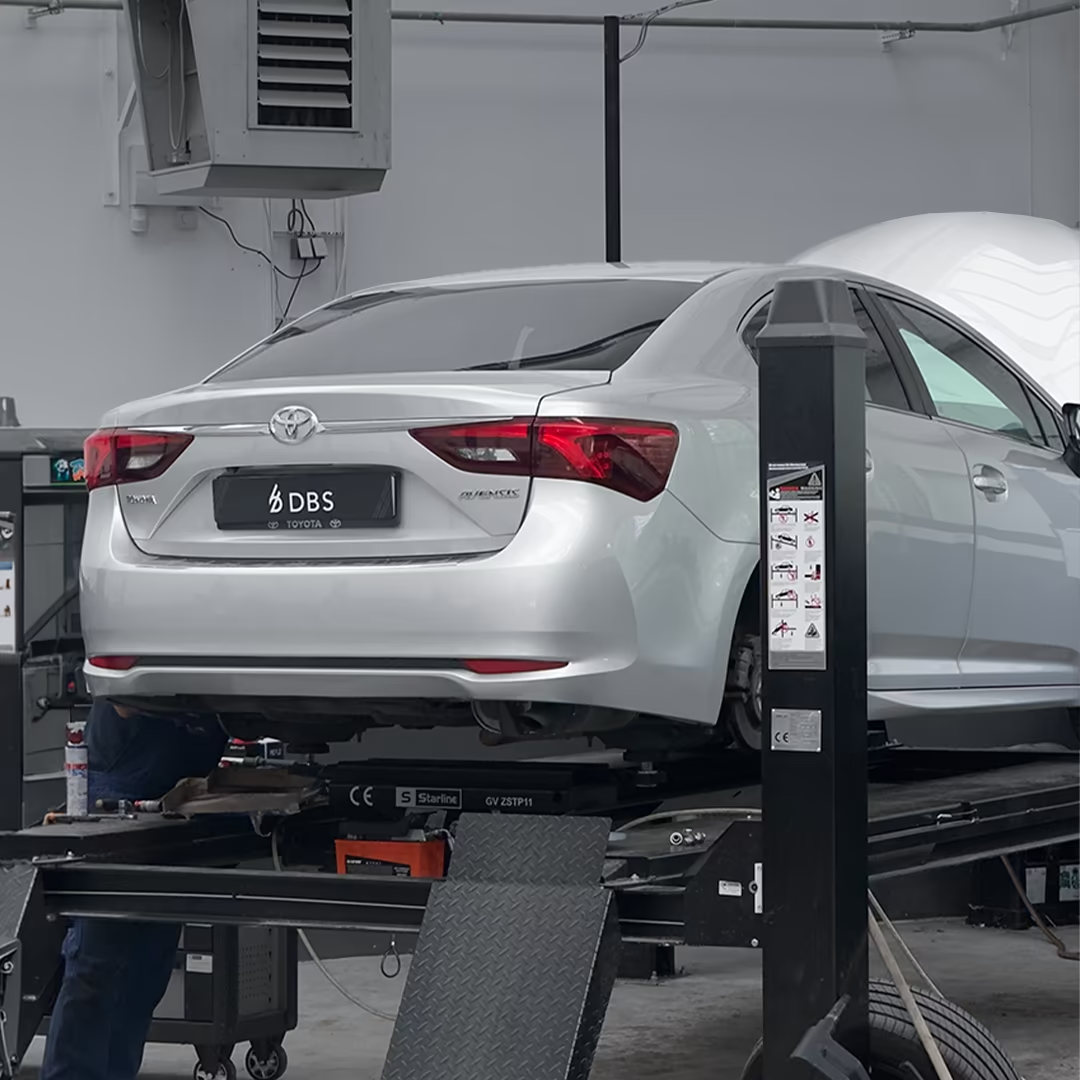
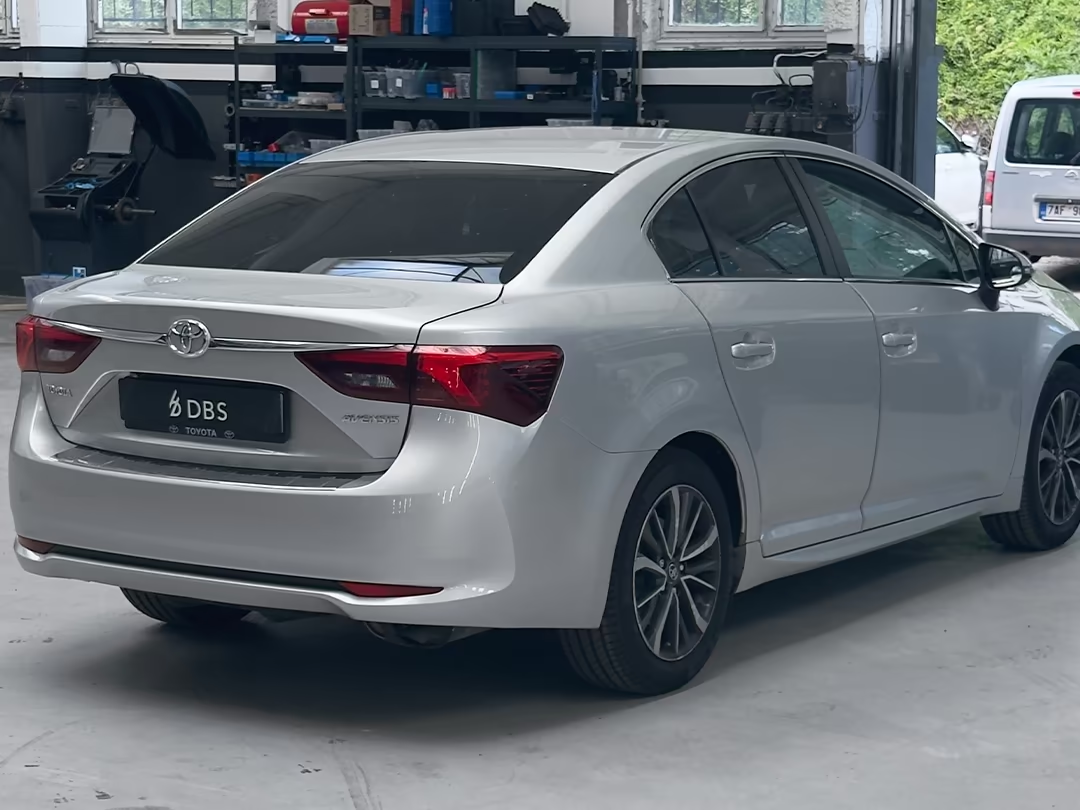
A 2016 Toyota Avensis arrived at our workshop for rear brake service. The car showed symptoms that should not be postponed: squeaking, reduced braking comfort, and visible signs of wear in the rear braking system.
Brake service is not only about replacing discs and pads. It is also about checking calipers, guides, component positioning, and tightening everything to the correct torque. These details decide whether the brakes work correctly, quietly, and evenly.
Squeaking, vibrations, or a longer braking distance are clear signs that the brakes need inspection. On this Toyota Avensis, the rear brakes had to be handled on both sides. This is the correct approach, because brakes should never be repaired only on “half” of the axle.
First, we checked:
We paid special attention to preventing the issue from returning immediately after replacement. If the guides are not cleaned and checked during the job, new parts may not work as they should.
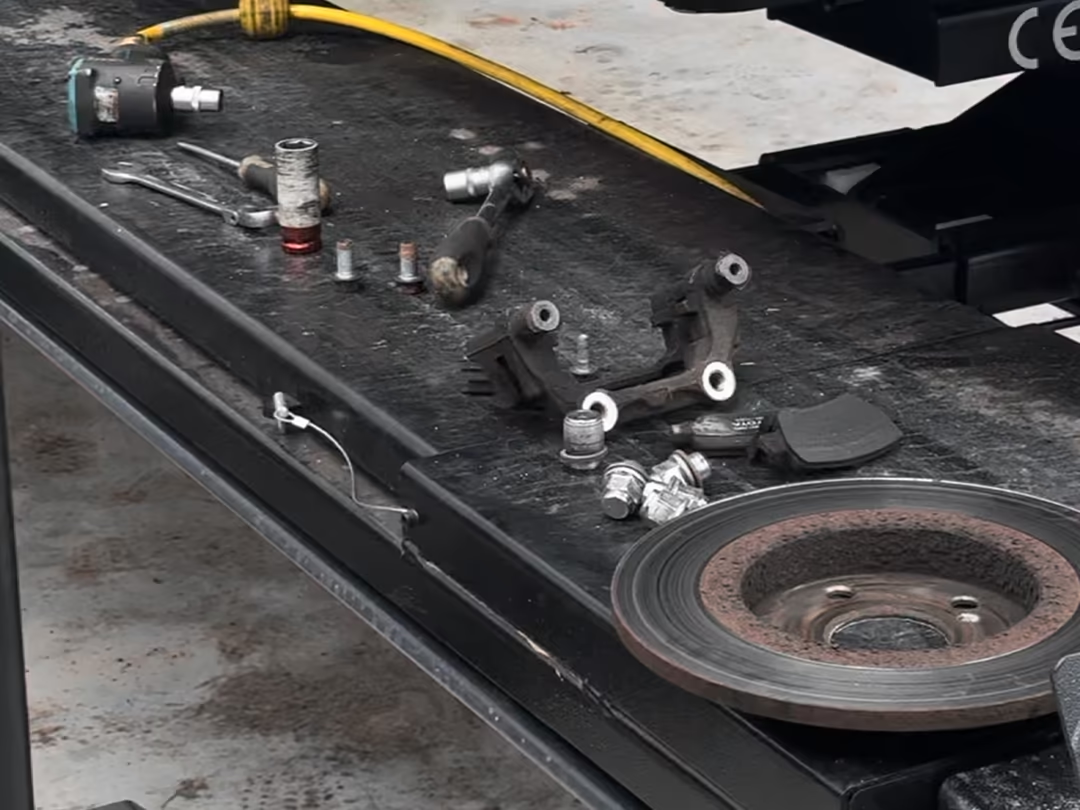
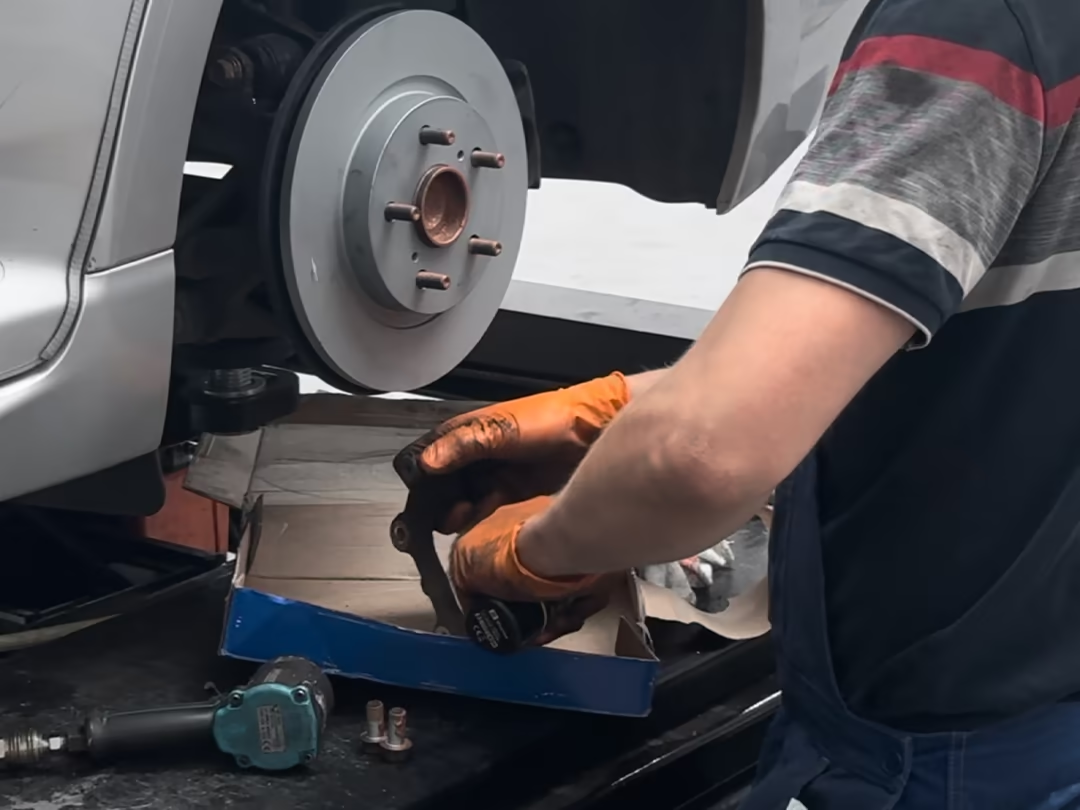
After removing the wheels, we disassembled the brake calipers and inspected the condition of the discs, pads, and guides. This is where the difference between a quick replacement and proper brake service becomes clear.
We carried out:
We cleaned and lubricated the guides so the brakes could move correctly and the pads would work evenly. On rear brakes, this is very important because neglected details can cause squeaking, uneven operation, or faster wear.
After preparation, we installed new rear brake discs and pads. Everything was positioned correctly and tightened to the specified torque, not by guesswork. With brakes, precision is essential because every detail affects safety.
The work included:
The result is a rear braking system ready for further use and working as it should.
Rear brakes should be checked if they squeak, vibrate, brake less effectively, or if wear is visible on the discs and pads.
Because braking force must remain balanced. If only one side is replaced, the car may brake unevenly and the new parts can wear faster.
Guides allow the caliper and pads to move correctly. If they are dirty or dry, the brakes can squeak, drag, or wear unevenly.
The 2016 Toyota Avensis received rear brake service on both sides. We removed the wheels, disassembled the calipers, checked the discs, pads, and guides, cleaned and lubricated the guides, and installed new rear discs and pads. Everything was tightened to the correct torque and checked before handover.
 Order a service